Tag: iLogo
-

Agentic AI in Cyber Defense and Offense: Entering the Age of Autonomous Security
Cybersecurity is entering a new phase. For years, security tools have helped humans detect threats, analyze logs, and respond to attacks. But today, Artificial Intelligence (AI) is evolving beyond simple automation. We are now seeing the rise of agentic AI — AI systems that can make decisions, take actions, and adapt with minimal human involvement.…
-

From Factories to Finance: Inside Akira Ransomware
Ransomware continues to evolve, targeting organizations across every industry. One of the newer and more aggressive ransomware groups making headlines is Akira ransomware. From manufacturing plants to financial institutions, Akira has demonstrated how modern cybercriminal groups operate with speed, coordination, and strategic targeting. In this blog, we’ll explore what Akira ransomware is, how it works,…
-

What Are Multiple Nginx Vulnerabilities?
When you hear the term “multiple Nginx vulnerabilities,” it means that several security weaknesses have been discovered in Nginx software at the same time. These vulnerabilities may affect different versions, modules, or configurations. If not fixed quickly, they can expose servers and websites to cyberattacks. In this blog, we will explain what Nginx is, what…
-

What Are Multiple Apache Vulnerabilities?
When organizations talk about “multiple Apache vulnerabilities,” they are usually referring to several security weaknesses discovered in Apache software at the same time. These vulnerabilities can affect different Apache projects, configurations, or versions, and if left unpatched, they can expose systems to cyberattacks. To understand what this means and why it matters, let’s break it…
-
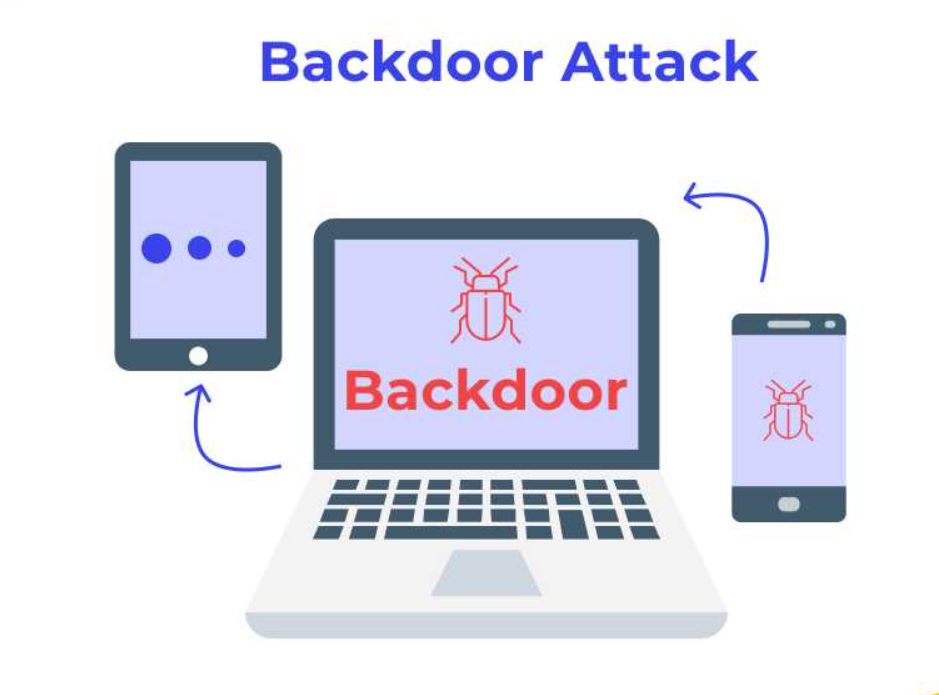
What Does a Backdoor Attack Mean in Cybersecurity?
In today’s digital world, cyber threats are becoming more complex and harder to detect. One type of attack that often goes unnoticed for a long time is called a backdoor attack. Unlike loud attacks such as ransomware or DDoS, backdoor attacks are silent, hidden, and dangerous. They allow attackers to access systems without being detected,…
-
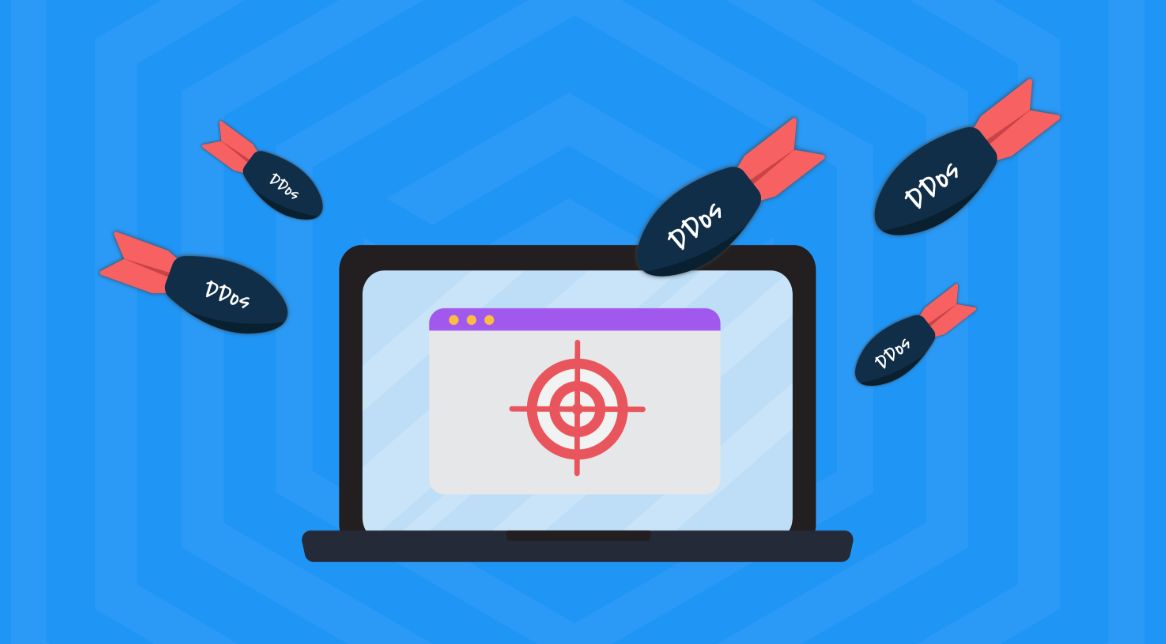
What Is a DDoS Attack? A Simple Guide to Traffic Flooding Threats
In today’s always-online world, websites and digital services are expected to be available 24/7. Whether it’s online banking, e-commerce, or internal business systems, downtime can quickly lead to lost trust and revenue. One of the most common reasons services suddenly go offline is a DDoS attack. While the term sounds technical, the idea behind a…
-

Three Common Mistakes Companies Make When Implementing DMARC
Email remains one of the most trusted and widely used communication tools in business. Unfortunately, it is also one of the easiest ways for attackers to impersonate brands, steal data, and commit fraud. That is why DMARC has become an essential part of modern email security. DMARC (Domain-based Message Authentication, Reporting, and Conformance) helps organizations…
-

10 Key Solutions for More Effective Attack Surface Management
As organizations continue to adopt cloud services, remote work, SaaS applications, and connected devices, their digital footprint keeps growing. Every new system, application, or exposed service increases what is known as the attack surface—all the points where attackers could potentially gain access. Attack Surface Management (ASM) helps organizations discover, monitor, and reduce these entry points…
-
Breaking Down the REvil Ransomware Threat
Ransomware has become one of the most dangerous cyber threats facing organizations today, and REvil (also known as Sodinokibi) is one of the most notorious examples. Responsible for attacks on global companies, REvil shows how modern ransomware has evolved from simple malware into a highly organized criminal operation. This article breaks down what REvil ransomware…
-
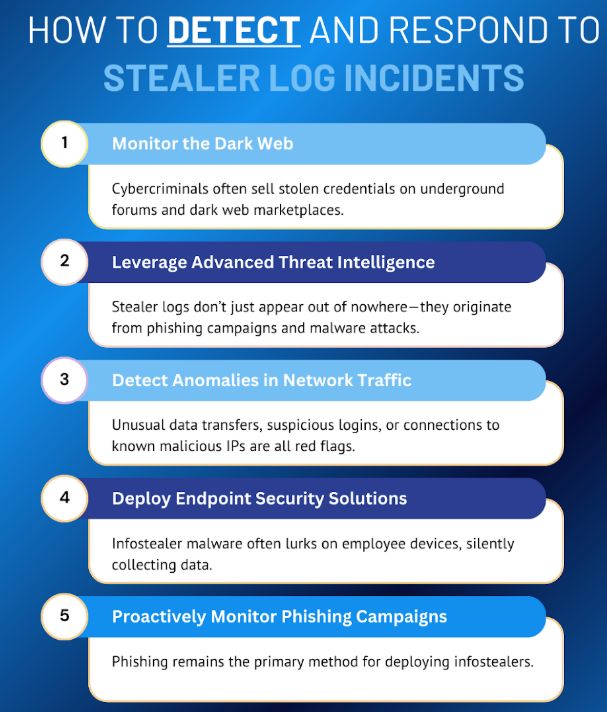
10 Key Strategies to Detect and Respond to Stealer Log Incidents
Cyberattacks today are not always loud or obvious. One of the most dangerous threats facing organizations is the stealer log incident. These incidents happen when malware silently steals usernames, passwords, browser cookies, tokens, and other sensitive data, then uploads them to attacker-controlled servers. Once exposed, this data is often sold or reused for further attacks.…