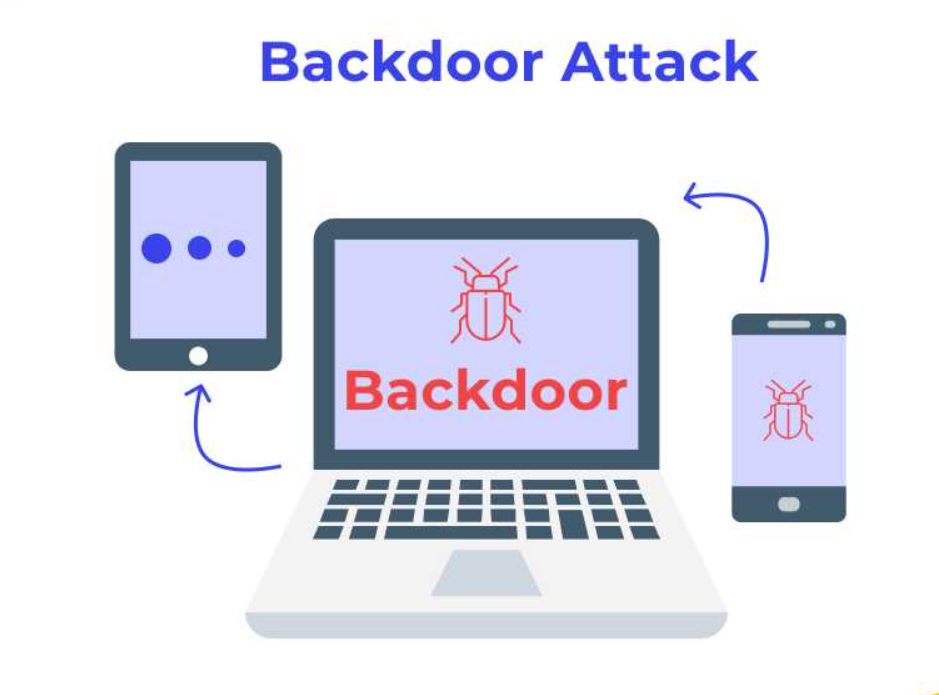
In today’s digital world, cyber threats are becoming more complex and harder to detect. One type of attack that often goes unnoticed for a long time is called a backdoor attack. Unlike loud attacks such as ransomware or DDoS, backdoor attacks are silent, hidden, and dangerous. They allow attackers to access systems without being detected, often for months or even years.
Understanding what a backdoor attack means in cybersecurity is important for anyone who uses computers, networks, or online services—especially businesses that handle sensitive data.
What Is a Backdoor Attack?
A backdoor attack happens when an attacker creates or uses a hidden method to enter a system, application, or network without proper authorization. This hidden access point bypasses normal security checks like passwords, authentication, or firewalls.
Think of it like locking the front door of your house but unknowingly leaving a secret door open in the back. Even if your main security looks strong, attackers can quietly walk in through that hidden entrance.
Once a backdoor is active, attackers can return anytime, steal data, install malware, spy on users, or take control of the system.
How Do Backdoor Attacks Happen?
Backdoor attacks can happen in several ways, and many of them don’t involve advanced hacking skills. Common methods include:
Malware infections
Attackers often hide backdoors inside malware such as trojans or fake software updates. Once the malware is installed, it secretly opens access for the attacker.
Software vulnerabilities
Outdated or poorly coded software may contain security flaws that attackers exploit to plant a backdoor.
Weak passwords or stolen credentials
If attackers gain admin access using stolen usernames and passwords, they can create backdoors for future access.
Malicious insiders
In some cases, employees or contractors intentionally install backdoors to maintain access after leaving an organization.
Compromised third-party tools
Using untrusted plugins, cracked software, or unsafe integrations can introduce backdoors into otherwise secure systems.
Why Backdoor Attacks Are So Dangerous
Backdoor attacks are especially dangerous because they are hard to detect. Many organizations don’t realize they have been compromised until serious damage is done.
Some key risks include:
-
Long-term unauthorized access: Attackers can stay hidden for a long time.
-
Data theft: Sensitive information such as customer data, passwords, and financial records can be stolen.
-
System manipulation: Attackers can change configurations, disable security tools, or install additional malware.
-
Repeated attacks: Even if one issue is fixed, attackers can return using the same backdoor.
Because backdoor attacks don’t always trigger alarms, traditional security tools may fail to notice them.
Real-World Examples of Backdoor Attacks
Many major cyber incidents involved backdoors, even if they weren’t discovered right away. In some cases, attackers used backdoors to spy on organizations, monitor communications, or prepare for larger attacks like ransomware deployment.
Backdoors are often used in Advanced Persistent Threats (APTs), where attackers target specific organizations such as governments, banks, or large enterprises.
Signs That a Backdoor Might Exist
Although backdoors are hidden, there are warning signs that can raise suspicion:
-
Unusual system behavior or unexplained slowdowns
-
Unknown user accounts or unexpected admin privileges
-
Network traffic going to unfamiliar external servers
-
Security tools being disabled without explanation
-
Software changes that were never approved
These signs don’t always mean a backdoor exists, but they should never be ignored.
How to Protect Against Backdoor Attacks
Preventing backdoor attacks requires a mix of technology, good practices, and awareness. Some effective steps include:
Keep software updated
Always install security patches and updates to close known vulnerabilities.
Use strong access controls
Apply the principle of least privilege so users only have the access they truly need.
Monitor systems continuously
Use logging, monitoring, and behavioral analysis to detect unusual activity.
Avoid untrusted software
Do not install cracked, pirated, or unverified tools and plugins.
Educate employees
Train staff to recognize phishing emails, fake updates, and suspicious downloads.
Conduct regular security audits
Routine checks help identify hidden threats before they cause damage.
Backdoor Attacks and Modern Cybersecurity
As organizations move to cloud environments and remote work becomes common, the risk of backdoor attacks increases. Systems are more connected than ever, which means attackers have more opportunities to hide.
Modern cybersecurity focuses not only on blocking attacks, but also on detecting abnormal behavior and assuming breaches can happen. This mindset helps organizations respond faster and limit damage.
Final Thoughts
A backdoor attack in cybersecurity is one of the most silent and harmful threats an organization can face. It doesn’t rely on chaos or immediate destruction—instead, it depends on secrecy and patience.
By understanding how backdoor attacks work and taking proactive steps to prevent them, individuals and organizations can greatly reduce their risk. Strong security isn’t just about locking the front door—it’s about making sure there are no hidden doors left open.
Staying informed, alert, and prepared is the best defense against threats you can’t easily see.
As an experienced IT System Integrator, iLogo Malaysia is ready to help your company build a comprehensive cybersecurity strategy—from cybersecurity training and endpoint solutions to the implementation of integrated defense systems.