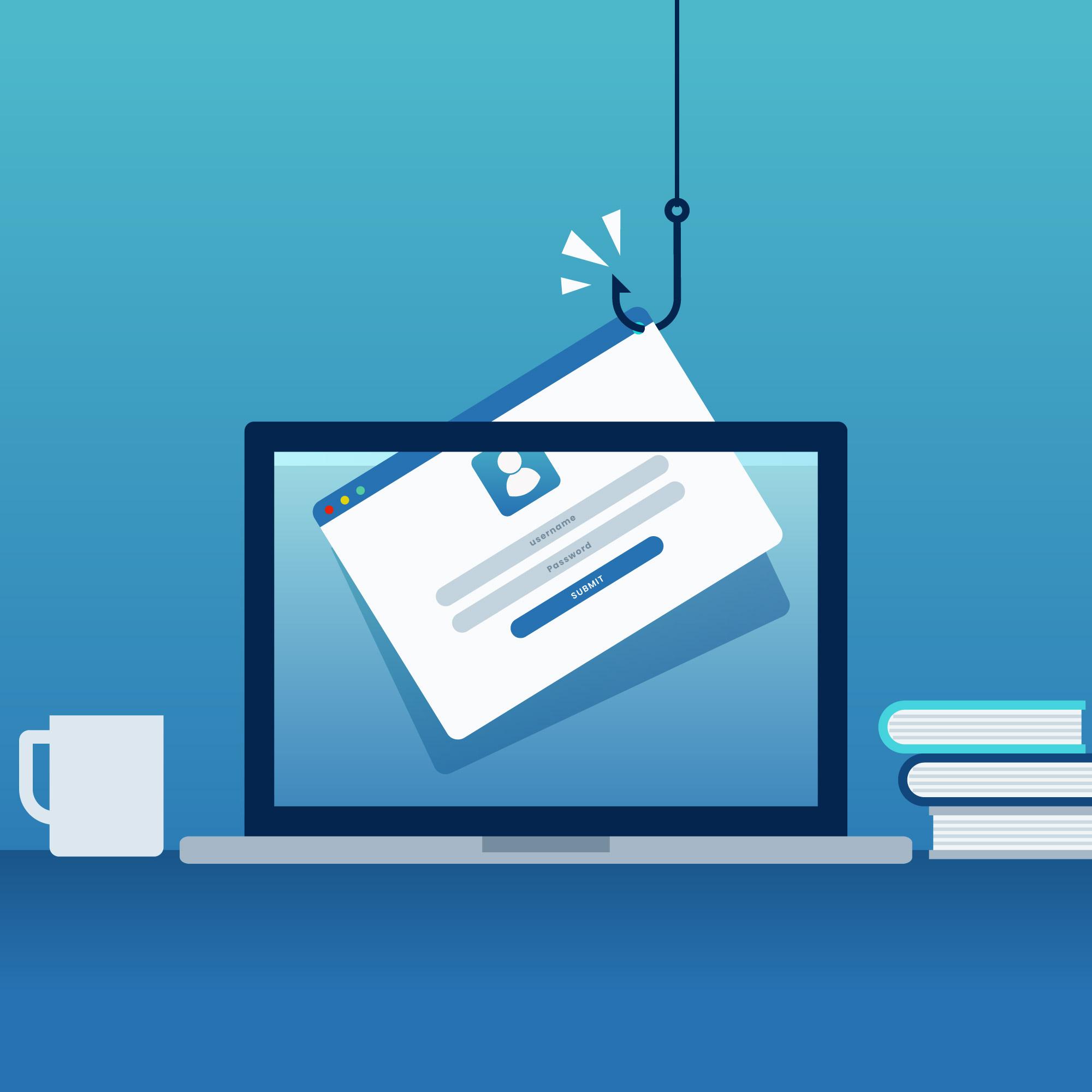
As one of the world’s most widely used messaging platforms, WhatsApp has become essential for both personal communication and business operations, including customer engagement, marketing, and internal collaboration. In Malaysia, the growing reliance on WhatsApp for business interactions has also increased exposure to cyber threats, particularly whatsapp phishing malaysia attacks that exploit user trust and real-time communication. Reports from Statista show that millions of businesses globally rely on WhatsApp to interact with customers, highlighting why attackers increasingly target this channel. As phishing tactics become more sophisticated, strengthening whatsapp phishing awareness and implementing effective whatsapp scam prevention strategies are critical for organizations aiming to protect sensitive data, maintain customer trust, and ensure secure digital communication.
Understanding WhatsApp Phishing Scams
A WhatsApp phishing scam is a cybercrime technique where attackers trick users into disclosing confidential data such as login credentials, banking information, or payment card details. Cybercriminals typically pose as legitimate institutions, including financial services or reputable brands, or create artificial urgency to pressure victims into responding without proper verification. After obtaining sensitive data, attackers can hijack user accounts, which may result in additional fraud, identity misuse, and security breaches affecting both individuals and businesses.
Previously, these phishing attempts relied on simple deception methods, making them easier to recognize. However, modern phishing campaigns have evolved significantly, using highly realistic impersonation techniques and advanced social engineering tactics that can even allow attackers to take over a victim’s WhatsApp account. This growing level of sophistication has contributed to the rising effectiveness of phishing scams.
Recognizing how these attack methods continue to evolve is essential for both organizations and individuals to strengthen their defense strategies. The following sections will explore the most common techniques used in WhatsApp-based phishing attacks.
How WhatsApp Phishing Attacks Typically Operate
Phishing scams targeting WhatsApp rely on multiple deceptive strategies to trick users into sharing confidential data or granting unauthorized account access. Below are several techniques commonly used by cyber attackers:
1. Identity Spoofing
- Pretending to Be Legitimate Organizations:
Cybercriminals frequently disguise themselves as trusted institutions such as banks, government bodies, or even WhatsApp support. They send convincing messages requesting users to confirm personal information under the pretense of security or account verification. - Exploiting Compromised Contacts:
Attackers may take control of one user’s account and use it to send fraudulent messages to people in that user’s contact list. Because recipients trust the sender, they are more likely to follow instructions without suspicion.
2. Fake Account Verification Requests
Scammers often send alerts claiming that a user must verify or update their account details. These messages usually contain links directing victims to counterfeit websites designed to harvest login credentials and personal data.
3. Harmful Embedded Links
Malicious links are frequently disguised to look like legitimate URLs. When victims click them, they are redirected to fake platforms that mimic authentic services but are built to capture sensitive information.
4. Social Manipulation Techniques
- Creating Urgency or Panic:
Fraudulent messages may warn users about account suspension, unauthorized activity, or unpaid transactions. The emotional pressure encourages quick reactions without proper verification. - Offering Rewards or Promotions:
Some phishing attempts lure victims with promises of prizes, discounts, or exclusive deals. To claim these offers, users are instructed to click links or provide personal information.
5. Verification Code Exploitation
Attackers may attempt to sign into a victim’s account and trigger a login verification code. They then contact the victim while impersonating a friend or colleague and request the code. Once obtained, attackers can seize full control of the account.
6. QR Code-Based Attacks
In this method, victims receive a QR code that appears legitimate. Scanning it can unknowingly grant attackers access to the victim’s WhatsApp Web session, allowing them to monitor conversations and collect sensitive data.
How iLogo Malaysia Supports WhatsApp Phishing Simulation Training
As phishing techniques grow increasingly advanced, organizations must equip employees with the skills needed to detect and respond to these threats. Simulation-based training provides a controlled learning environment where staff can safely practice recognizing phishing attempts without exposing the organization to real risks. By replicating real-world attack patterns, solutions from Threatcop help strengthen employee preparedness through structured and practical training approaches targeting platforms such as WhatsApp.
Realistic WhatsApp Phishing Simulation Scenarios
The platform develops highly authentic phishing simulations designed to replicate modern attack strategies commonly used by cybercriminals. These simulations are continuously refined to mirror emerging threats, ensuring employees gain exposure to realistic risk situations. These include:
- Trusted Entity Impersonation: Simulated messages that appear to originate from reputable companies or familiar contacts.
- Fake Verification Requests: Training scenarios where users receive requests for verification codes or sensitive information.
- Malicious Link Simulations: Exercises involving deceptive links that lead to fake websites designed to capture confidential data.
Engaging and Interactive Learning Modules
The training solution includes dynamic learning modules that help employees understand how phishing attacks occur and how to respond properly. The modules are built to encourage participation and long-term knowledge retention. Key components include:
- Step-by-Step Learning Materials: Clear guidance on identifying phishing attempts and avoiding potential scams.
- Instant Performance Feedback: Real-time evaluation of user responses during simulations to highlight mistakes and reinforce learning.
- Knowledge Quizzes and Assessments: Periodic evaluations designed to strengthen understanding and measure awareness levels.
Advanced Reporting and Performance Analytics
The platform offers detailed monitoring tools that allow organizations to evaluate training effectiveness and identify employee risk behavior patterns. Key performance indicators include:
- Click Rate Analysis: Measures how many users interacted with phishing simulation links.
- Incident Reporting Metrics: Tracks employees who successfully identified and reported suspicious messages.
- Response Time Monitoring: Evaluates how quickly users react to simulated phishing attempts.
- Training Completion Tracking: Monitors progress across individuals, teams, and departments.
These analytics enable organizations to detect security awareness gaps and adjust training strategies accordingly.
Continuous Updates and Professional Support
Since phishing methods evolve rapidly, the training content and simulation scenarios are regularly updated to reflect new cyber threat trends. The platform also provides ongoing technical and training support to help organizations maintain effective and up-to-date phishing awareness programs.
WhatsApp Phishing Solution with iLogo Malaysia
In today’s threat landscape, phishing attacks, especially those conducted through messaging platforms, are becoming increasingly sophisticated and difficult to detect. Organizations must move beyond traditional awareness methods and adopt proactive, simulation-based training to ensure employees can recognize and respond to these evolving threats effectively. By implementing structured security awareness programs, businesses can significantly reduce human-related vulnerabilities and strengthen their overall cybersecurity posture.
To help organizations enhance their phishing awareness and defense strategies, partnering with iLogo Malaysia can be a strategic step. With expertise in cybersecurity solutions and security awareness training, iLogo Malaysia helps businesses build stronger human firewalls through advanced phishing simulation and education programs. Contact iLogo Malaysia today to learn how your organization can stay protected against modern phishing threats and strengthen its security resilience.