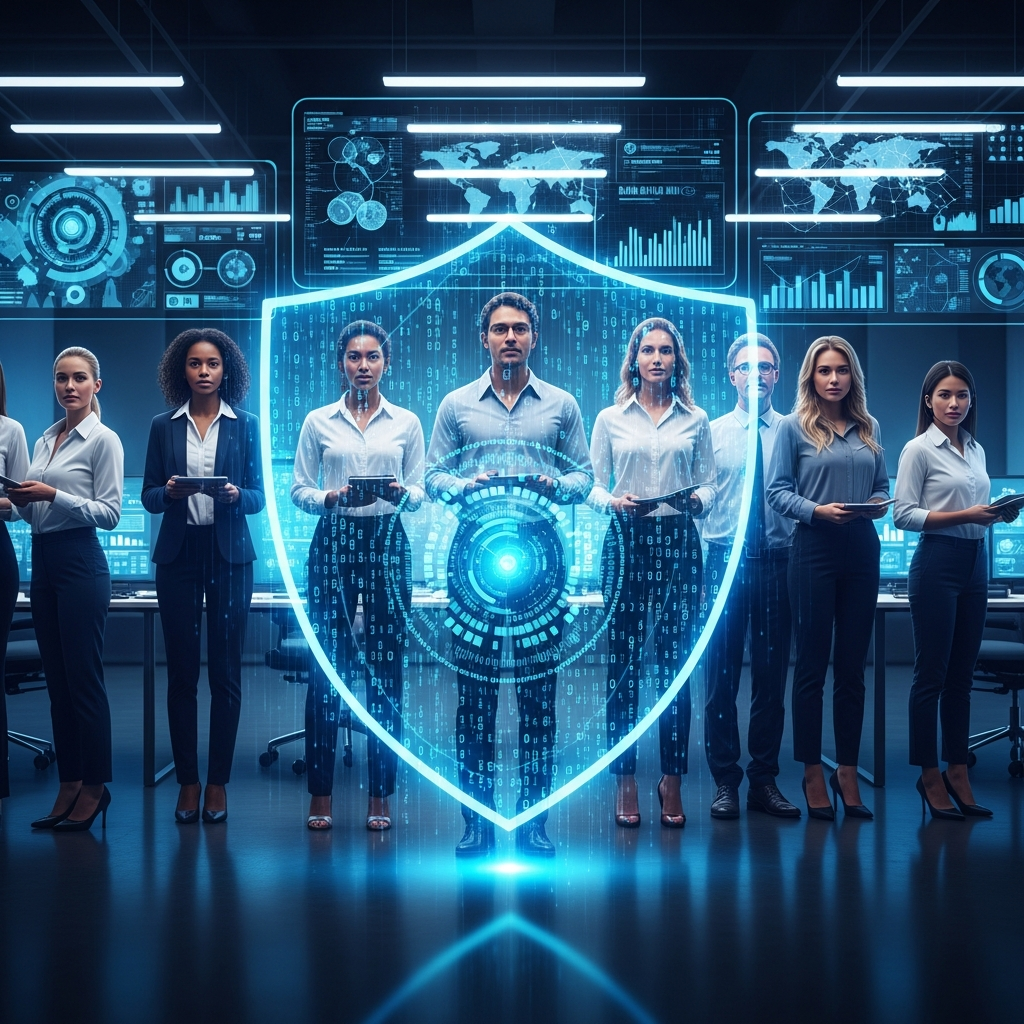
Introduction to the Human Firewall Concept
A human firewall is the most critical layer in any modern cybersecurity strategy. Technology alone cannot stop every threat. Consequently, your employees must become the first line of defense. They are the eyes and ears of your digital infrastructure. A well-trained team can spot a threat before it reaches your network.
In today’s digital landscape, hackers rarely try to break through complex code. Instead, they target human emotions and errors. This shift in tactics makes the human firewall essential for survival. By educating your staff, you create a barrier that technology cannot provide. This article will explore how to build this vital defense system effectively.
Why Technology Alone Is No Longer Enough
Companies spend billions on firewalls, antivirus software, and encryption tools. However, data breaches continue to rise globally every year. This happens because cybercriminals find the path of least resistance. Usually, that path leads directly to an unsuspecting employee. One wrong click can bypass the most expensive security software in the world.
Furthermore, technical solutions often struggle with zero-day exploits. These are brand new threats that developers have not yet patched. A human being can sense something is wrong when a message feels unusual. Therefore, blending technology with human intuition creates the strongest possible protection. Your business needs both to remain truly secure in this era.
The Rise of Social Engineering Threats and Why We Need Human Firewall Concept
Social engineering is the art of manipulating people into giving up confidential information. Attackers use psychology instead of technical hacking methods. For instance, they might impersonate a CEO or a tech support agent. These tactics are highly effective because they exploit natural human trust. Without a strong social engineering defense, your organization remains highly vulnerable.
Read Also : What You Need to Know About Cybersecurity Training for Employees
The Importance of Cybersecurity Awareness Training Malaysia
Businesses in Southeast Asia are becoming major targets for sophisticated cyberattacks. Specifically, the need for iLogo Malaysia to promote safety is growing. Implementing comprehensive Cybersecurity awareness training Malaysia is no longer optional for local firms. It helps employees understand the specific regional threats they might face daily.
Effective training transforms employees from liabilities into security assets. It provides them with the knowledge to identify suspicious emails and links. Moreover, localized training ensures that the content is relevant to the local business culture. When staff members understand the risks, they take better care of company data. This proactive approach saves businesses from massive financial losses and reputational damage.
Creating a Security-First Culture with Human Firewall Concept
A human firewall is not just about a single training session. Instead, it is about building a continuous culture of security within the workplace. Everyone from the intern to the board of directors must participate. When security becomes a shared responsibility, the entire organization becomes resilient. Employees should feel comfortable reporting mistakes without fear of punishment.
Key Strategies for Social Engineering Defense
Developing a robust social engineering defense requires a multi-layered approach. First, you must educate staff on the various types of attacks. These include phishing, vishing, and even physical tailgating into the office. Knowledge is the most powerful weapon against these manipulative tactics. If an employee knows what to look for, they are unlikely to fall victim.
Second, organizations should implement clear verification protocols. For example, any request for sensitive data must be confirmed through a second channel. If an employee receives a strange email from a manager, they should call to verify. This simple step can prevent the majority of business email compromise attacks. Consistency is the key to making these defenses work long-term.
Identifying Common Phishing Red Flags
Phishing is the most common form of social engineering today. Employees should look for generic greetings and urgent, threatening language. Furthermore, mismatched URLs and poor grammar are significant warning signs. According to Wikipedia, social engineering often relies on creating a sense of false urgency. By slowing down and analyzing requests, employees can effectively neutralize these threats.
Five Steps to Build a Robust Human Firewall
Building a human firewall takes time and dedicated effort. However, the process can be broken down into manageable steps. By following a structured plan, you can significantly reduce your risk profile. Here are five essential steps to get you started on this journey.
Step 1: Leadership Commitment
Security must start at the top of the organization. If leaders do not follow security protocols, employees will not either. Management must provide the necessary budget and time for training. Their visible support shows that cybersecurity is a top priority for the business. This commitment sets the tone for the entire company’s security posture.
Step 2: Regular and Engaging Training
Boring training sessions are rarely effective for long-term retention. Use interactive modules, videos, and real-world examples to keep staff engaged. Short, frequent updates are better than one long annual meeting. This keeps security top-of-mind for everyone throughout the year. Information should be easy to digest and relevant to their specific job roles.
Step 3: Phishing Simulations
Theory is good, but practice is much better for learning. Send controlled, fake phishing emails to your staff to test their reactions. Those who fail the test should receive immediate, helpful feedback. This approach helps employees recognize real threats in a safe environment. Over time, you will see a measurable decrease in click rates during these simulations.
Step 4: Clear Reporting Channels
Employees must know exactly what to do when they spot something suspicious. Create a simple, one-click reporting system for suspicious emails. Ensure that the IT department responds quickly to these reports. When employees see that their reports are valued, they become more vigilant. This feedback loop is essential for a healthy security ecosystem.
Step 5: Reward and Recognition
Positive reinforcement is often more effective than negative discipline. Recognize employees who consistently identify and report potential threats. This encourages a proactive mindset across the entire team. You could offer small rewards or public shout-outs during meetings. Making security a positive experience helps build a lasting and loyal human firewall.

Measuring the Success of Your Efforts
How do you know if your training is actually working? You must track specific metrics to measure your progress. For instance, monitor the decrease in successful phishing attempts over several months. Look at the increase in the number of suspicious emails reported to the IT team. These data points provide a clear picture of your security maturity.
Furthermore, conduct regular surveys to assess the security knowledge of your staff. This helps identify specific areas where more training might be needed. Cybersecurity is an evolving field, so your measurement tactics should evolve too. Data-driven decisions will help you refine your strategy and maximize your return on investment. Continuous improvement is the hallmark of a great defense.
Conclusion: Investing in Your Best Asset with Human Firewall
In conclusion, the human firewall is your most valuable security asset. While hackers get smarter, an educated workforce remains your best defense. Technology provides the tools, but people provide the intelligence. Investing in Cybersecurity awareness training Malaysia is a strategic move for any modern business. It protects your data, your reputation, and your future.
Do not wait for a data breach to occur before taking action. Start building your human defense layers today through education and culture. By focusing on social engineering defense, you close the gap that most hackers exploit. Your employees are ready to help; they just need the right knowledge. Empower them, and they will protect your business with excellence. Contact iLogo Malaysia for further information and solutions.