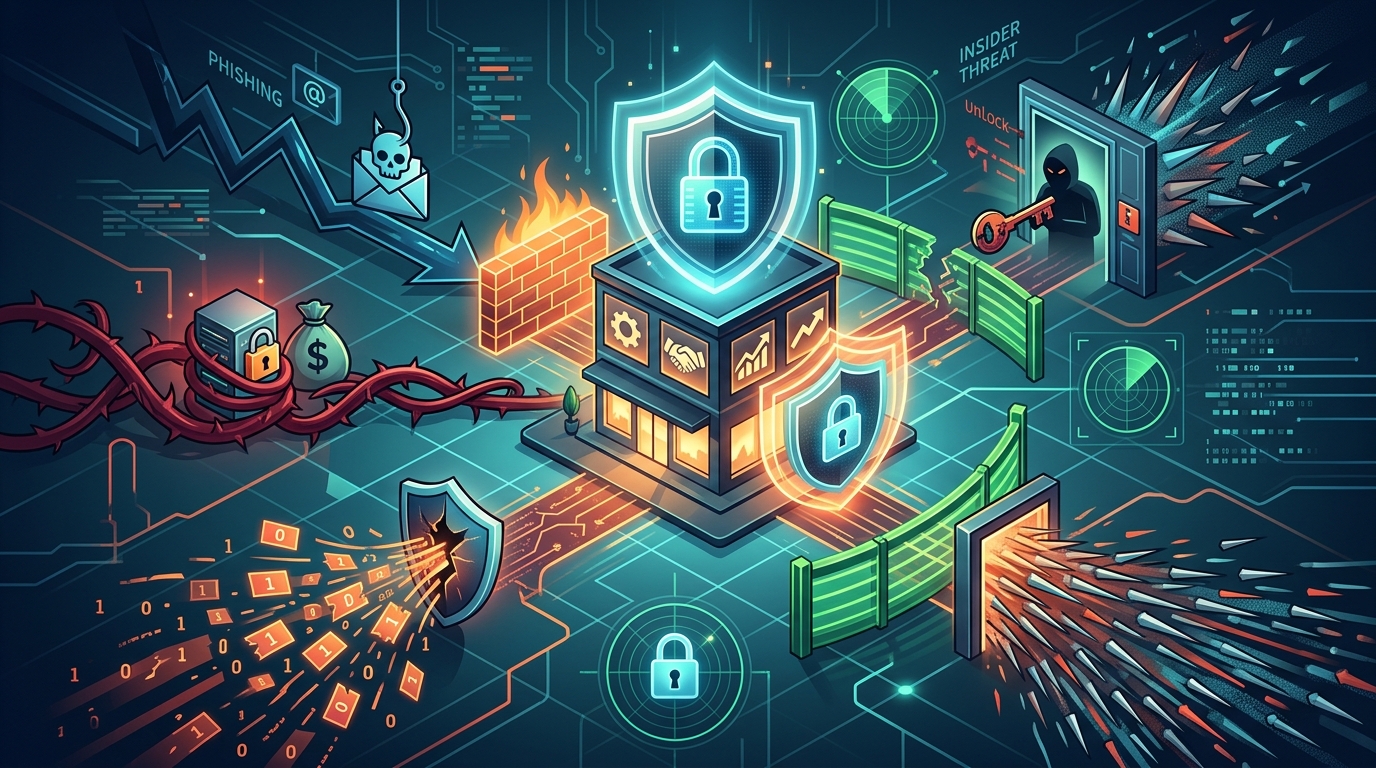
Cyber threats are no longer just a problem for giant global corporations or government agencies. Today, small and medium enterprises (SMEs) represent a prime target for digital criminals across the globe. Many business owners mistakenly believe their company is too small to attract attention. However, hackers often view SMEs as low-hanging fruit because they frequently lack sophisticated defense mechanisms. Consequently, a single security breach can lead to devastating financial losses or even permanent closure. In this article, we will explore the top five dangers your business faces and how you can stay safe.
Understanding the Landscape of Cyber Threats
The digital world evolves at a rapid pace. Therefore, the methods used by malicious actors also become more complex every day. Cyber threats encompass a wide range of malicious activities aimed at stealing data or disrupting business operations. For an SME, the impact of these attacks goes beyond just losing money. It damages your reputation and erodes customer trust. Fortunately, you can mitigate these risks by implementing the right cybersecurity solutions. By staying informed, you empower your team to recognize potential dangers before they turn into disasters. You should consider browsing expert resources like iLogo Malaysia to strengthen your brand’s digital resilience.
1. Phishing Attacks: The Most Common Entry Point of Cyber Threats
Phishing remains the most prevalent method used by attackers to gain unauthorized access. In a phishing scam, hackers send fraudulent emails that appear to come from legitimate sources. These emails often create a sense of urgency. For example, they might claim your bank account is locked or a package delivery failed. When an employee clicks on a malicious link, the attacker can steal login credentials or install malware. Since these attacks target human psychology, they are incredibly effective. Training your staff to scrutinize every email is essential. Always check the sender’s email address for subtle misspellings. Furthermore, never click on attachments from unknown sources.
2. Ransomware: Holding Your Data Hostage
Ransomware is perhaps the most feared of all cyber threats. This type of malware encrypts all the files on your computer or server. Once the data is locked, the hackers demand a ransom payment, usually in cryptocurrency, to provide the decryption key. However, paying the ransom does not guarantee you will get your data back. Moreover, it marks your business as a willing payer, which may lead to future attacks. To prevent this, you must maintain regular offline backups of your critical data. If you have a clean backup, you can restore your systems without ever negotiating with criminals. Additionally, keeping your software updated prevents hackers from exploiting known vulnerabilities.
3. Malware and Viruses: The Silent Intruders
Malware is a broad term that includes viruses, worms, and Trojans. These programs are designed to infiltrate your system without your knowledge. Once inside, they can track keystrokes to steal passwords or use your computer’s resources for illegal activities. Many SMEs fall victim to malware through infected software downloads or unsecured websites. Consequently, installing a robust antivirus and firewall is non-negotiable. Modern cybersecurity solutions offer real-time scanning to catch these threats before they execute. You should also restrict administrative privileges for employees. This ensures that even if malware enters a workstation, it cannot spread easily across the entire network.
4. Insider Threats: Danger from Within
Not all cyber threats come from external hackers. Sometimes, the danger originates from within the organization. An insider threat can be a disgruntled employee or a former contractor who still has access to your systems. In other cases, it is simply a negligent staff member who accidentally shares sensitive information. To mitigate this risk, you should implement a strict ‘least privilege’ policy. This means employees only have access to the specific data they need to perform their jobs. When an employee leaves the company, you must immediately revoke all their digital access. Regularly auditing your access logs can also help you spot suspicious internal behavior early.
5. Weak Passwords and Lack of Multi-Factor Authentication
Simple passwords are an open invitation for cybercriminals. Hackers use automated tools to guess millions of password combinations in seconds. If your team uses common words or birthdays, your business is at high risk. Therefore, you must enforce a strong password policy across the entire company. Even better, you should implement Multi-Factor Authentication (MFA). MFA requires a second form of verification, such as a code sent to a mobile device. Even if a hacker steals a password, they cannot gain access without that second factor. This simple step is one of the most effective ways to block 99% of automated attacks. Protecting your cyber threat intelligence starts with securing the front door of your accounts.
How to Build a Resilient Defense Strategy from Cyber Threats
Protecting your business requires a proactive approach rather than a reactive one. First, you should conduct a thorough risk assessment to identify your most valuable digital assets. Once you know what needs protection, you can invest in targeted cybersecurity solutions. This might include automated monitoring, encrypted cloud storage, and advanced endpoint protection. Furthermore, you should create a clear incident response plan. Every employee should know exactly who to contact if they suspect a security breach. Fast action can significantly reduce the damage caused by an attack. Cybersecurity is not a one-time task but a continuous process of improvement.
The Importance of Employee Training
Technology alone cannot protect your business if your people are not prepared. In fact, human error is a factor in the vast majority of successful breaches. Therefore, regular security awareness training is vital. You should educate your team on the latest tactics used by hackers. Conduct simulated phishing tests to see how your staff reacts to suspicious emails. When employees understand the importance of security, they become your strongest line of defense. Encourage a culture of transparency where people feel comfortable reporting mistakes. By working together, you can create a secure environment that allows your business to thrive safely.
Conclusion: Taking One Step from Cyber Threats
The reality of modern business is that cyber threats are here to stay. However, this does not mean you should live in fear. By identifying the top risks like phishing and ransomware, you can take concrete steps to protect your SME. Start by securing your passwords and training your team. Invest in professional tools that monitor your network around the clock. Remember that a secure business is a successful business. Do not wait for a breach to happen before you take action. Start strengthening your digital walls today to ensure a prosperous and secure future for your company.