Cybersecurity Basics for the Modern Entrepreneur
Cybersecurity basics represent the fundamental pillar of safety for any digital organization today. Every business owner must realize that hackers do not only target large corporations. In fact, small and medium enterprises often face the most significant risks due to weaker defenses. Understanding these concepts allows you to build a resilient foundation. Consequently, your business can thrive without the constant fear of data breaches. Furthermore, implementing strong security measures protects your reputation. Customers value their privacy and expect you to do the same. Therefore, we will explore the essential elements of digital protection in this comprehensive guide.
The Core Concepts of Cybersecurity Basics
Cybersecurity basics start with the ‘CIA Triad’. This framework includes confidentiality, integrity, and availability. Confidentiality ensures that only authorized people can access sensitive data. Meanwhile, integrity guarantees that the information remains accurate and unchanged. Availability means that your systems remain operational when you need them. However, maintaining these three pillars requires constant vigilance. Hackers constantly develop new ways to bypass traditional security. As a result, businesses must stay updated on the latest defensive strategies. You can find more detailed definitions of these concepts on Wikipedia for further study.
Common Threats Every Business Faces
Understanding the enemy is a vital part of cybersecurity basics. Phishing remains one of the most common methods used by cybercriminals. In a phishing attack, someone sends a deceptive email to steal login credentials. Additionally, ransomware can lock your entire system until you pay a fee. This type of attack can paralyze your operations for weeks. Malware is another broad category of malicious software designed to damage your hardware. Furthermore, social engineering relies on human psychology rather than technical exploits. Employees might accidentally give away secrets to a convincing caller. Therefore, training your staff is just as important as installing software.
The Role of Human Error
Human error causes a large percentage of security breaches worldwide. Specifically, weak passwords allow attackers easy access to your accounts. Many people still use ‘123456’ or their birthdays as passwords. This practice creates a massive vulnerability for your company. Moreover, clicking on suspicious links can trigger an immediate infection. Employees often ignore software update prompts as well. These updates contain critical patches that fix security holes. Consequently, an unpatched system is an open door for hackers. You must foster a culture of security awareness to mitigate these risks effectively.
Essential Cybersecurity Solutions for Growth
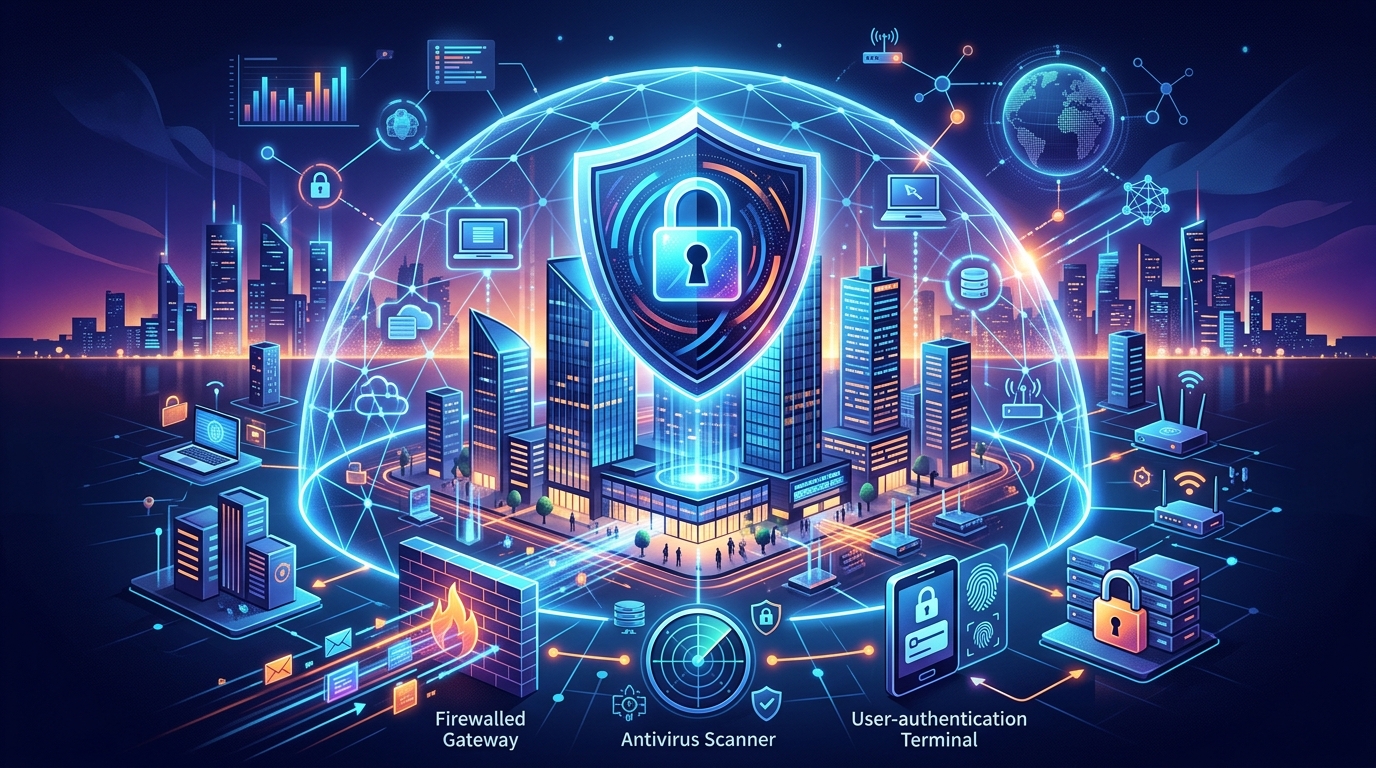
Modern companies need robust iLogo Malaysia cybersecurity solutions to stay competitive. Firstly, a reliable firewall acts as a gatekeeper for your network traffic. It blocks unauthorized access while allowing legitimate data to flow freely. Secondly, antivirus software provides a necessary layer of protection against known viruses. However, software alone is not enough to stop advanced persistent threats. You should also consider implementing Multi-Factor Authentication (MFA) across all platforms. MFA requires two or more forms of verification to access an account. This simple step can stop most unauthorized login attempts instantly. Furthermore, cloud backup services ensure that your data is safe even if a physical server fails.
Investing in Advanced Protection
As your business grows, your security needs will also evolve. Many firms now look for comprehensive cybersecurity solutions that offer 24/7 monitoring. These services detect anomalies in your network behavior in real-time. For example, if an account logs in from an unusual location, the system flags it. Additionally, encryption tools protect your data during transmission and at rest. This means that even if a hacker steals your files, they cannot read them. Consequently, encryption serves as a final fail-safe for your most sensitive information. Always choose reputable providers to ensure the best results for your investment.
Best Practices for Daily Operations
Establishing daily habits is a key part of mastering cybersecurity basics. You should start by enforcing a strong password policy for all staff members. Encourage the use of password managers to keep track of complex credentials. Furthermore, always keep your operating systems and applications updated. Developers release these updates to address newly discovered threats. You should also conduct regular backups of your most important data. Test these backups frequently to ensure they actually work during an emergency. Moreover, limit administrative privileges to only those who absolutely need them. This reduces the ‘attack surface’ of your organization significantly.
Securing Remote Work Environments
The rise of remote work has introduced new challenges for digital safety. Employees often use home Wi-Fi networks that lack professional-grade security. Therefore, you should provide a Virtual Private Network (VPN) for all remote staff. A VPN creates an encrypted tunnel for your data to travel through. This prevents hackers on public networks from intercepting your business communications. Additionally, ensure that work laptops have disk encryption enabled. If a laptop is lost or stolen, the data remains inaccessible to thieves. Remote work requires a shift in how we think about the office perimeter.
Creating an Incident Response Plan
Even with the best cybersecurity basics in place, incidents can still happen. Therefore, you must have a clear plan for when things go wrong. An incident response plan outlines the steps your team should take during a breach. Firstly, you must identify and contain the threat to prevent further damage. Secondly, investigate the cause of the leak to close the vulnerability. Furthermore, you must communicate with affected parties and regulatory bodies if necessary. Having a prepared plan reduces panic and minimizes financial loss. Consequently, your business can recover much faster from a cyberattack. Review and update this plan at least once a year.
Conclusion: Cybersecurity Basics for Your Digital Safety
Mastering cybersecurity basics is an ongoing journey rather than a one-time task. The digital landscape changes every single day as new technologies emerge. However, the core principles of protection remain the same for every modern business. By focusing on education, tools, and processes, you create a strong defense. Investing in professional cybersecurity solutions ensures that you stay ahead of potential threats. Furthermore, a secure business is a trustworthy business in the eyes of your clients. Start taking small steps today to secure your digital future. In conclusion, your proactive efforts now will save your company from massive headaches later.